The Transport Cliff: A Late-Night Exit Plan for UK Casino Players
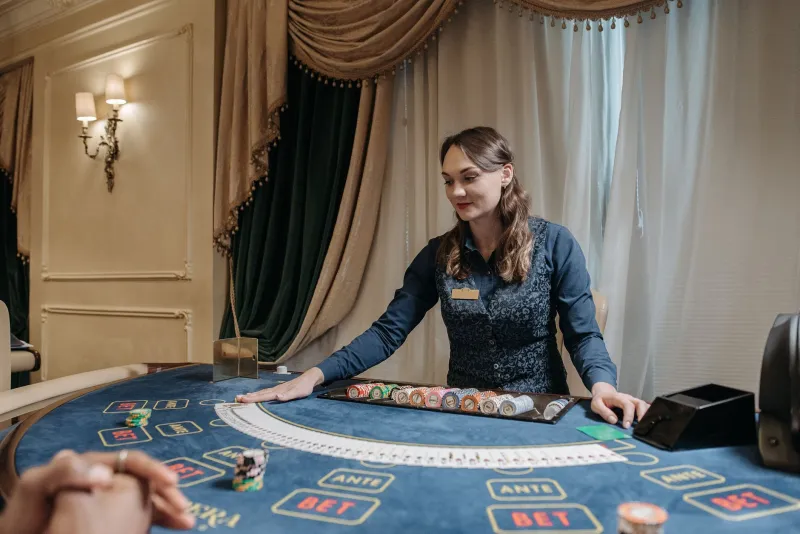
There's a particular minute in a UK casino when the room changes. It isn't midnight. It's usually a bit after — 00:40, maybe 00:55 — when the last sensible train has left the station and the night buses are down to a trickle. The music doesn't stop. Nobody makes an announcement. But the floor exhales. The cash desk queue shortens. A supervisor walks the room with a clipboard. And somewhere near the slots, a cleaner starts working a patch of carpet with the slow, deliberate patience of someone who knows they've got hours.
That's the late shift. Not a different casino, exactly — more like the same room with the volume turned down and the exits quietly narrowed. If you're going to be in it, it helps to know what you're looking at.
The Handover You Can't See
Most UK casinos run a staff handover somewhere between 1am and 2am. You won't be introduced. The tell is subtle: the dealer who was chatty at 11pm is replaced by someone quieter and more efficient; the floor manager changes; the cocktail server who knew your order is gone, and the person covering the far section is doing the rounds with a tray and a fixed smile.
This isn't a warning sign. It's just a shift change. But it does change the rhythm. Service slows. Drink orders take longer. The cash desk might drop to one window. Table minimums can shift — sometimes up, because the room is quieter and the house wants fewer, bigger players; sometimes down, because they'd rather keep the tables full. Either way, the late room is a leaner operation. If you need something, ask early. If you're waiting for a drink to decide your next move, you've already given the decision to the queue.
What the Room Sounds Like at 1am
The soundtrack is the giveaway. Early-evening casino music is upbeat, forgettable, designed to keep you moving. After the last train, it tends to slide into something slower — more bass, fewer vocals. The announcements thin out. The clatter of chips carries further because there are fewer bodies to absorb it.
You'll also hear the building itself. The extractor fan over the gaming floor. The distant clunk of a cash drawer. The vacuum. These are not signs to leave, but they are signs that the room is no longer trying to entertain you. It's just operating. That's a useful distinction. A casino that's still performing is a casino that wants your attention. A casino that's just operating is a casino that will let you sit there for as long as you like — and that's exactly the moment to be a bit more deliberate.
The Transport Cliff Is the Real Trigger
Here's the thing about the "just one more" trap: it rarely starts with the game. It starts with the exit. At 11pm, leaving is easy. There's a train, a bus, a taxi rank with a queue that moves. At 1am, leaving gets more expensive and more complicated. The last train has gone. The night bus is an hour away and goes the long way round. The minicab app is quoting surge pricing. The taxi rank has three people in it and no cars.
So you stay. Not because you've decided to stay, but because the cost of leaving has quietly gone up. And every hour you stay, the cost of leaving goes up a bit more — the first bus isn't until 5am, the walk home is longer than you remembered, the weather has turned. This is the transport cliff. It's not a gambling problem. It's a logistics problem. But it's the logistics that make the gambling decisions harder.
The fix isn't willpower. It's planning. Before you go in, know your last realistic exit. Not the last train in theory — the last one you'd actually take. If that's the 23:52, then the 23:52 is your deadline. Book a taxi for 00:15 if you'd rather not rush. Know the night bus route and how long it actually takes. Or decide, in advance, that you're a walk-and-a-minicab person and budget for it. The point is to make the exit a fixed thing, not a negotiation you have with yourself at 1am when you're tired and the room is warm.
Three Signals to Read at the Late Table
If you do stay past the transport cliff — and sometimes that's fine, if you've planned for it — watch for three things.
First, the cashier queue. If it's empty, the room is emptying. That's not a reason to leave, but it's a reminder that you're now in the minority. Second, the table minimums. If they've gone up, the room is filtering for bigger players. If they've gone down, it's filtering for anyone. Neither is a trap, but both tell you who the casino thinks is still there. Third, the staff energy. A dealer who's still chatty at 2am is a good sign. A dealer who's silent and fast is not being rude — they're just doing the job. Don't read either as a personal invitation.
The Quiet Decision
The late shift is quieter, but it's not calmer. In some ways it's the opposite. With fewer people around, there's less social friction to stop you doing something daft. Nobody's waiting for the table. Nobody's looking at their watch. The room is patient in a way that can feel like permission.
That's why the exit plan matters more than the stake plan. You can set a budget and still get caught by the transport cliff. You can set a time and still miss it because the taxi rank was empty. The only reliable plan is the one that assumes the room will still be there when you leave — because it will be. The casino doesn't close just because you've gone home. The last train doesn't care whether you've had a good night.
So the next time you're in a UK casino and the music slows and the cleaner appears, check the time. Not to panic. Just to know. The midnight shift is just a room with fewer exits. Make sure you know yours before you need it.