Read the Room, Not the Roulette: A Beginner’s Tour of UK Casino Layouts
Photo: Book by William Henry Koebel (1872-1926) Autorship of each individual illustration not specified. The illustrations are attributed generally in the preface as: "In addition to Miss Cossart's illustrations, which I take no little pride in includin
Walking into a UK casino for the first time can feel like stepping into a film set. There is noise, colour, movement and a lot of things blinking at once. The natural instinct is to look straight at the nearest game and get stuck in. But the smarter first move is to look at the room itself. A casino floor is designed, not accidental, and much of that design is quietly telling you where things are and how the night is meant to flow.
This is not about decoding secret messages. It is about using ordinary visual clues — flooring, lighting, dividers and sightlines — to get your bearings. Once you can read the room, you can choose where to spend your time rather than simply landing wherever your feet take you.
Start with your feet, not your wallet
Pause just inside the entrance. Look down. In many UK casinos, the flooring changes as you move between zones. You might find carpet around the slot machines and seating, hard flooring near the bar, and tiled or polished surfaces around the entrance and cash desk. Those changes are practical. They help staff clean, guide foot traffic and separate louder areas from calmer ones.
For a player, they are a free map. If you want a quieter session, follow the softer surfaces and the seats. If you want quick access to service or a drink, look for the harder, brighter pathways. None of this is a guarantee, but it is a useful starting point.
Follow the light
Lighting is one of the most reliable cues on a casino floor. Tables often sit under brighter, focused light because dealers and players need to see chips and cards clearly. Slot areas may use warmer, lower lighting to create a more relaxed feel. Lounges, bars and seating areas tend to be dimmer still.
That does not mean bright equals bad and dim equals good. It means the light is telling you what kind of space you are in. If you want a calmer first hour, look for the softer pools of light and the seats near them. If you want the buzz of a live table, follow the brighter clusters. Either way, you are choosing with your eyes open.
Look for the seams
Good casino floors are made of zones, and zones have seams. You might see a low partition, a planter, a change in ceiling height or a row of seating that separates one area from another. These are not there to hide anything. They keep the room from feeling like one giant hall and help different kinds of players coexist.
Use those seams. A seat near a divider is often quieter than one in the middle of the main walkway. A corner beyond a low wall may give you a better view of the room without putting you in the middle of it. Just be careful not to wander into a marked private area or a high-limit section by mistake. If a space looks separated and there is signage, read it before you settle in.
Trace the cash desk and exits before you play
This is the most practical habit in the whole article. Before you put any money into a machine or buy any chips, find three things: the cash desk, the toilets and the nearest exit. In many UK casinos the cash desk is near the entrance or bar, but not always. Exits should be clearly marked and illuminated, but you still want to know which way you would go if you wanted to leave quickly.
Knowing where the cash desk is helps you cash out calmly rather than wandering around with a ticket or a handful of chips. Knowing where the exit is helps you leave on your own terms. Neither detail costs you anything, and both make the night feel less pressured.
Read the slot floor by its edges
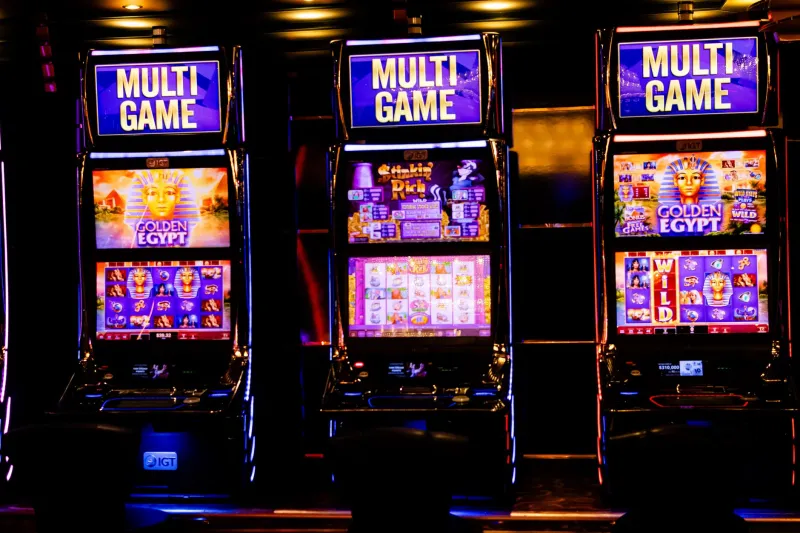
Slot floors can look like a maze, but they usually have a logic. The most prominent machines — the ones in the middle of walkways or under bright signage — are often the ones the room wants you to notice. Lower-stake machines are more likely to sit along the edges, in side aisles or in slightly quieter pockets.
That is a tendency, not a rule. Always check the stake information on the machine itself or on the help screen before you play. If you cannot find it, ask a member of staff. A good local casino would rather answer a simple question than have a new player guess.
Table zones have their own grammar
Live tables often cluster together, but the cluster is not random. You may find lower-limit tables toward the edge of the group and higher-limit tables closer to the centre or in a separate area. Placards usually state the minimum and maximum bets. If the wording is unclear, ask the dealer or floor staff before you sit down.
Also watch the pace. A busy table with a crowd and a fast dealer is not the same experience as a quiet table with a few players. Neither is better, but one may suit your first visit more than the other. There is no shame in watching for a few minutes before you decide.
Find the breathing spaces
Every good casino floor has places to pause. They might be seats near the bar, a quiet corridor, a lounge area or simply a spot away from the main walkway. These spaces matter. A short break away from the lights and noise can reset your head and help you stick to the budget and time you set before you came in.
If you cannot find one, ask. Staff know the room better than anyone. A well-designed local casino should make it easy to step back, have a glass of water and decide whether you are done for the night.
What a well-designed local room does
A neighbourhood casino does not need to be huge or flashy to be well designed. It needs clear sightlines, sensible signage, visible exits and a cash desk you can find without a treasure hunt. When those basics are right, the room feels calmer from the moment you walk in. You spend less time wondering where to go and more time making deliberate choices.
If a floor feels confusing, that is useful information too. Ask for help, keep your bearings and do not let the layout rush you. The room is there to be read, not guessed at.
The sixty-second survey
On your next visit, give yourself one minute before you spend anything. Look at the floor, follow the light, find the seams, locate the cash desk and exits, and clock where the quieter seats are. That small pause turns a noisy room into a map you can use. The games will still be there when you are ready. The floor tells you first — you just have to look.