Dabber to Dealer: A Calm First Step from the Bingo Hall to the Casino Floor

Photo: The wub, CC BY-SA 4.0, via Wikimedia Commons
There's a particular sort of confidence that comes from walking into a bingo hall you know well. You nod at the regulars, claim your spot, line up the dabbers, and settle in. The casino floor down the road can feel like a different country entirely — brighter lights, faster hands, a language you half-recognise. But the gap between the two rooms is smaller than it looks, and you don't have to sprint across it.
You Already Know More Than You Think
Bingo is a masterclass in waiting. You sit with your card, you watch the caller, you mark what lands and let the rest go. That's not a bad description of a table game either. The skills you've built in a bingo hall — patience, attention, knowing when a session has run its course — travel well. What changes is the pace and the paperwork, not the person holding the purse.
If you've spent years playing the 80p strip and the occasional £2 flyer, you already understand that a night out has a ceiling. Keep that ceiling. A casino visit is not a test of nerve; it's an evening out with a number attached.
Pace: Bingo Calls, Casino Waits
Bingo is relentlessly forward. Numbers come whether you're ready or not. Casino tables are the opposite — the dealer waits, the wheel waits, and nobody minds if you take a breath before you place a chip. That pause can feel like pressure if you're not expecting it, so use it deliberately. Watch a round before you join. Ask the dealer to explain the minimum. There's no queue forming behind you in most local rooms, and the regulars would rather you understood the game than muddled through it.
Slots sit somewhere in between. They're self-paced, which is either a comfort or a trap depending on how you use them. A simple rule: decide your stake per spin before you sit down, and treat the spin button like a bingo ticket — a fixed purchase, not a tap you keep repeating because the room is warm and the music is loud.
Money: Set the Ceiling Before You Set Off
Take cash. Not because cards are banned, but because a folded tenner and a twenty in separate pockets make the budget real. If your bingo night usually costs £15, try a casino night at £20 and see how far it stretches. Table minimums in local UK casinos are often modest — £1, £2 or £5 depending on the room and the hour — and low-stake slots are clearly labelled if you read the help screens rather than the flashing lights.
A useful habit from the bingo hall: buy your chips the way you'd buy your books. A fixed number, chosen in advance, with no top-ups from the cashpoint on the way home. If the chips run out, the night becomes a drink and a chat, which is a perfectly good ending.
The Small Rituals That Differ
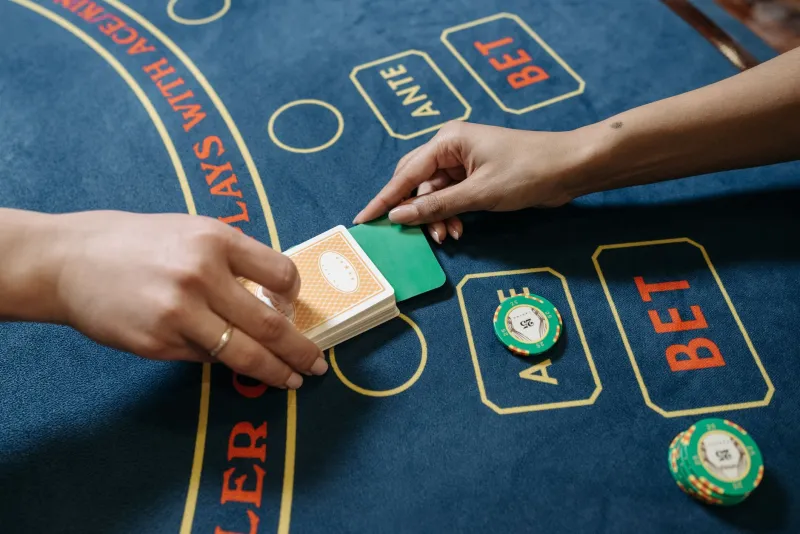
Every room has its own manners. In bingo, you keep quiet between calls and you don't touch another player's card. On a casino floor, the little rules are just as specific. You don't touch your chips once the dealer has started dealing. You don't hand chips directly to another player. You place your bet, not your neighbour's. Tips, where they happen, go to the dealer rather than the table.
None of this is secret, and none of it is designed to catch you out. Ask. "Where do I put my bet?" is a perfectly good opening line, and dealers hear it every week. The etiquette is really just a way of keeping the game fair and the room calm — the same instinct that keeps a bingo hall friendly.
Three Questions Worth Asking Before You Sit Down
First: what's the minimum bet on this table? Second: how does this side bet work, and is it optional? Third: what's the house rule on phones and drinks at the table? Staff would rather answer those questions at the start than sort out a muddle halfway through a shoe.
If you're trying blackjack for the first time, ask whether the table uses a continuous shuffler — it changes the rhythm but not the basics. If roulette appeals, check whether it's European or American; the difference in house edge is worth knowing before you place a chip. None of these questions mark you out as a beginner in a bad way. They mark you out as someone who reads the room.
Keep It Local, Keep It Sociable
Part of the charm of a neighbourhood casino is that it isn't a pilgrimage. You can walk in after work, play a couple of hands, and be home before the kettle's cold. Go with a friend who's also new, or go alone and treat the dealer as the person you're sharing a table with rather than an opponent. The bingo hall taught you that a night out is mostly about the people around you. That lesson holds.
Try one new thing per visit — a table game you've never played, a slot with a lower stake than you expected — and leave the rest for next time. Confidence on a casino floor isn't built by spending more. It's built by knowing what you're doing, knowing when to stop, and knowing the way home.